
Ceramic and Dekton

Mineral perfection
Ceramic is the most advanced of the mineral surfaces at Faber Küchenmanufaktur. Large-format ceramic slabs and ultra-compact surfaces such as Dekton combine high resistance with a clarity that naturally complements pared-back architecture. Ceramic is the choice for those who want to unite the highest aesthetics and uncompromising everyday practicality in a single material.
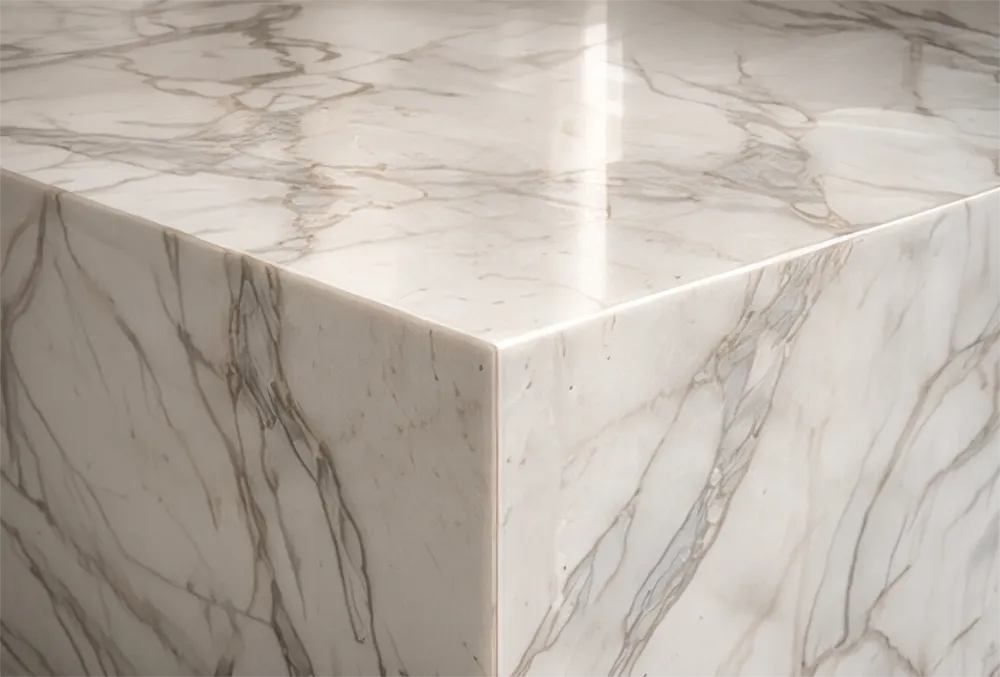
Generous expanses, slim edges
Ceramic and Dekton are related, but not the same. Composition and manufacturing differ depending on the product, and that is why we plan each execution specifically for the project. What they share is a calm, distinctive aesthetic that does not pretend to be something else, but convinces as a material of today.
Large-format slabs allow slim edges, wide expanses and vertical cladding that can be precisely matched to the worktop. Where format and construction require it, joints remain necessary, and we plan them so that they become part of the linework. As ceramic is also completely lightfast, its colour remains beautifully unchanged over the years, even in light-filled rooms.
Beautiful and hard-wearing for everyday use at the same time
Many finishes offer high surface hardness, absorb hardly any water and are highly stain-resistant. They are not indestructible, however: localised impacts can damage edges and cut-outs in particular. How heat-resistant a surface is and how it should be cleaned depends on the specific manufacturer’s product.
Cutting, edges and cut-outs require specialist tools and extensive experience. Faber plans every surface specifically for the project and aligns it with architecture and use. This is how ceramic and Dekton become surfaces of timeless value.
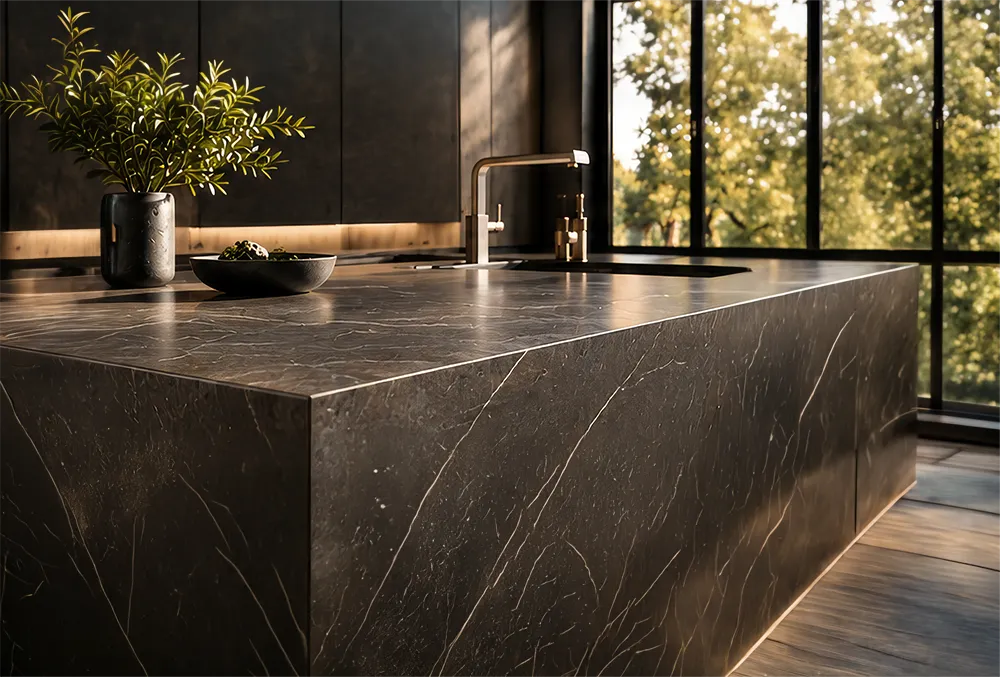
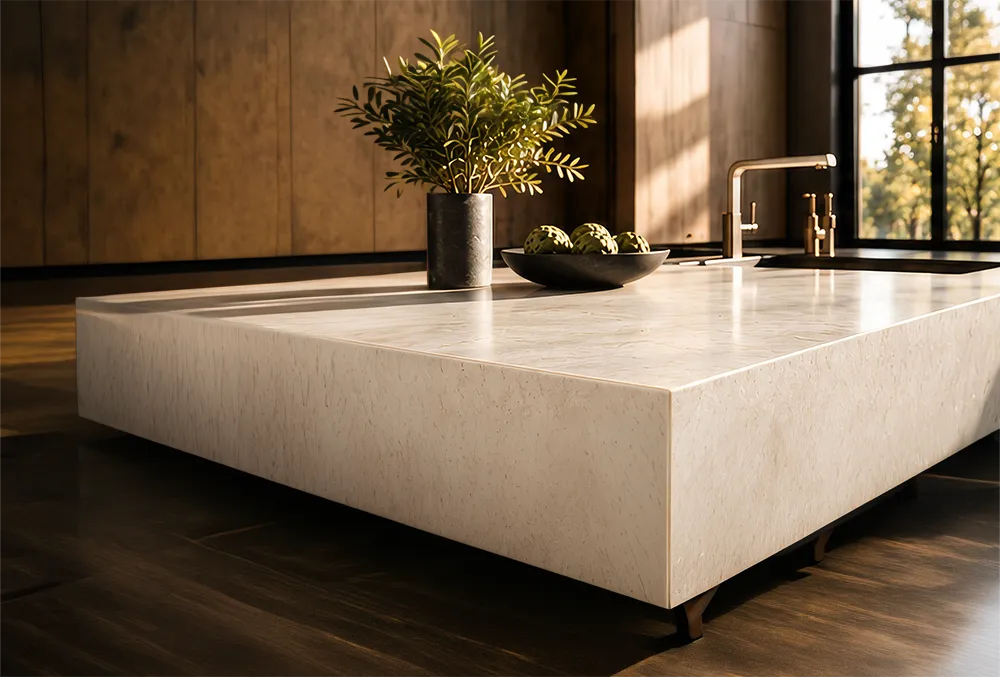
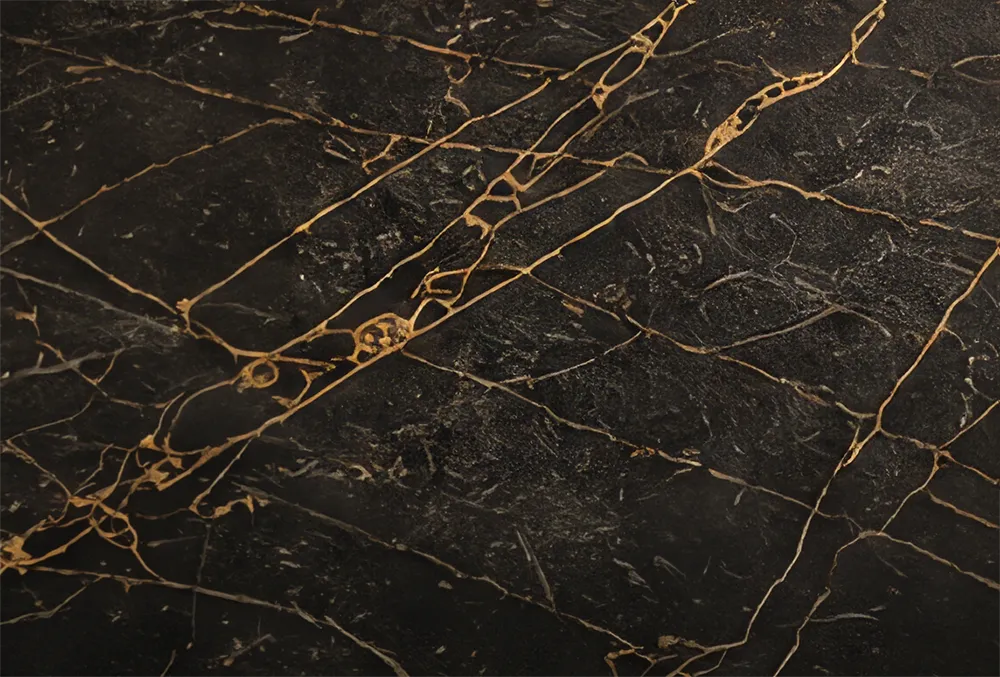
Frequently asked questions
Are ceramic and Dekton identical?
No. Both are among modern mineral surfaces, but depending on the product they differ in composition and manufacturing. Classic ceramic is made from fired ceramic raw materials, whereas Dekton is an ultra-compact, sintered surface produced under particularly high pressure and high temperature. Technically, they are therefore not fully equivalent. We decide which material is suitable based on design and use.
Are ceramic and Dekton indestructible?
No, even though many finishes offer remarkable surface hardness and stain resistance. Edges and cut-outs remain the most vulnerable: a localised impact, for example from a heavy pan falling, can cause damage there. Heat resistance and cleaning also depend on the specific manufacturer’s product. We therefore plan edge detailing and cut-outs so that the surface meets the demands of daily use.
Are seamless large surfaces possible?
Only within the respective slab formats and structural limits. Ceramic and ultra-compact slabs are available in large formats and allow wide, calm surfaces with few interruptions. If a surface exceeds the available format, a joint remains necessary. We therefore plan its position from the outset so that it integrates into the kitchen’s linework and reads as a deliberate detail.
This material in our Masterpieces
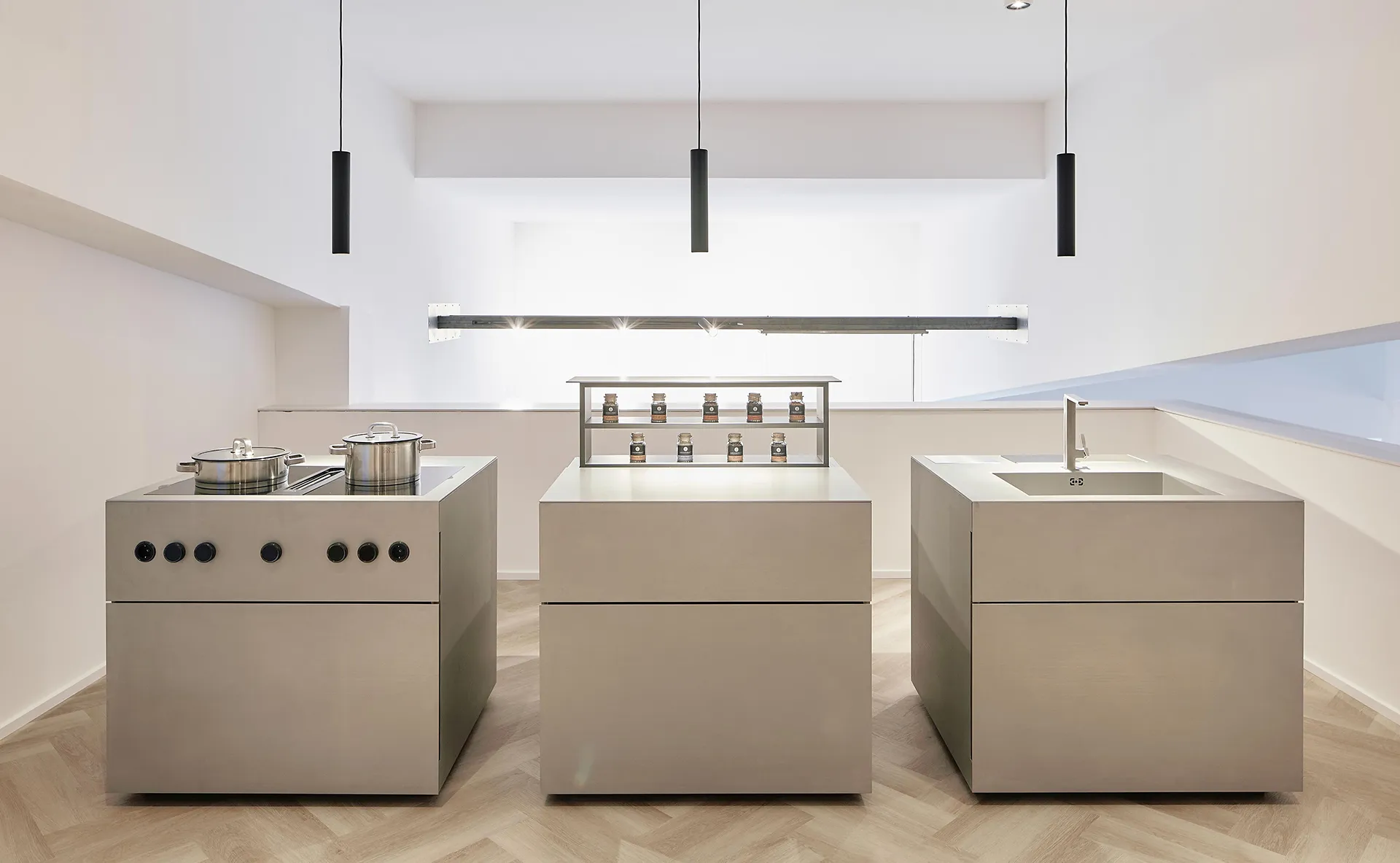
CUBE kitchens
In the CUBE, stone meets clear geometry. As a solid surface or a precisely framed module, it brings its natural structure into the strict order of the modules. The result is a play between lively material and calm, architectural form.
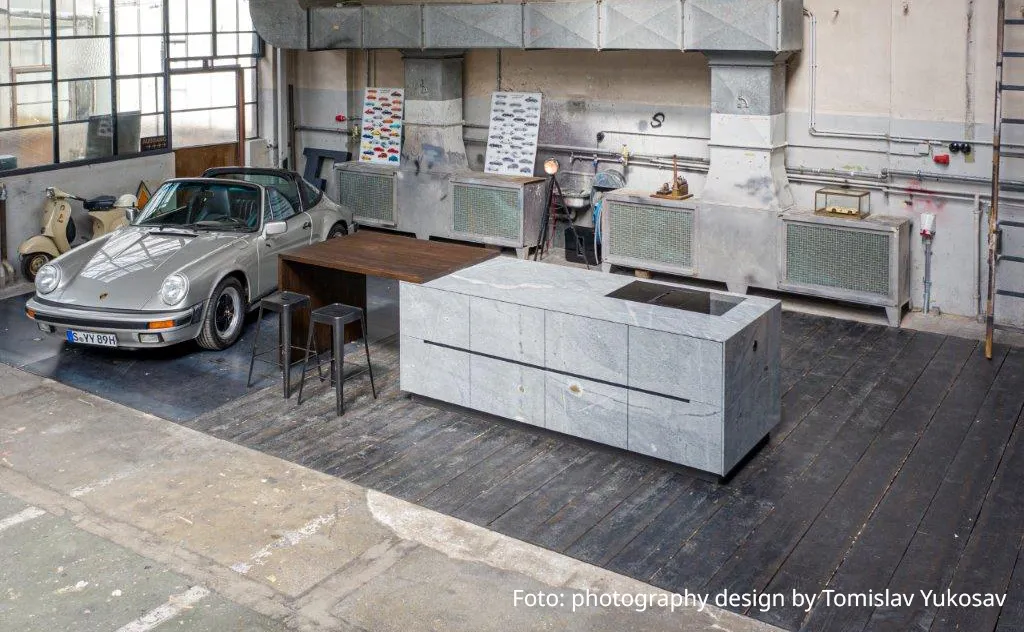
The stone kitchen
The stone kitchen places the material itself at the centre. Here, stone is the main protagonist, with its structure, its depth and its calm presence. Guided deliberately into the design, a harmony of nature, colour and light emerges.
Faber Küchenmanufaktur
Your vision, our
expertise! Bring your dream kitchen to life with Faber
Photo: photography design Tomislav Vukosav